<?xml version="1.0" encoding="utf-8" ?>
<rdf:RDF xmlns:rdf="http://www.w3.org/1999/02/22-rdf-syntax-ns#" xmlns:dc="http://purl.org/dc/elements/1.1/" xmlns:syn="http://purl.org/rss/1.0/modules/syndication/" xmlns="http://purl.org/rss/1.0/">


<channel rdf:about="https://www.doc.ks.gov/search_rss">
  <title>public</title>
  <link>https://www.doc.ks.gov</link>

  <description>
    
            These are the search results for the query, showing results 19 to 33.
        
  </description>


  <image rdf:resource="https://www.doc.ks.gov/logo.png"/>

  <items>
    <rdf:Seq>
      
        <rdf:li rdf:resource="https://www.doc.ks.gov/tcf-offsite-visits-kansas-childrens-discovery-center"/>
      
      
        <rdf:li rdf:resource="https://www.doc.ks.gov/cfs/megan-milner-biography-1"/>
      
      
        <rdf:li rdf:resource="https://www.doc.ks.gov/why-i-love-working-for-kdoc"/>
      
      
        <rdf:li rdf:resource="https://www.doc.ks.gov/1-5-million-grant-funding-available-to-help-juvenile-services"/>
      
      
        <rdf:li rdf:resource="https://www.doc.ks.gov/kdoc-policies/juvenile-kar"/>
      
      
        <rdf:li rdf:resource="https://www.doc.ks.gov/employment/from-the-secretary"/>
      
      
        <rdf:li rdf:resource="https://www.doc.ks.gov/cfs/community-corrections/publications/fy2021-adult-community-corrections-statistical-summary"/>
      
      
        <rdf:li rdf:resource="https://www.doc.ks.gov/cfs/community-corrections/resources/supervision-standards/adult-residential-center-standards"/>
      
      
        <rdf:li rdf:resource="https://www.doc.ks.gov/cfs/community-corrections/publications/Archived_stats/statistical-summary-fy2019-community-corrections-offender-population"/>
      
      
        <rdf:li rdf:resource="https://www.doc.ks.gov/newsroom/kdoc-history"/>
      
      
        <rdf:li rdf:resource="https://www.doc.ks.gov/juvenile-services/crossover-youth-practice-model/crossover-youth-practice-model-1"/>
      
      
        <rdf:li rdf:resource="https://www.doc.ks.gov/help-out/mentoring/mentoring-juvenile-residents-in-kansas"/>
      
      
        <rdf:li rdf:resource="https://www.doc.ks.gov/kdocs-women-in-corrections"/>
      
      
        <rdf:li rdf:resource="https://www.doc.ks.gov/juvenile-services/partners/juvenile-intake-assessment"/>
      
      
        <rdf:li rdf:resource="https://www.doc.ks.gov/facilities/lcf/career-campus"/>
      
    </rdf:Seq>
  </items>

</channel>


  <item rdf:about="https://www.doc.ks.gov/tcf-offsite-visits-kansas-childrens-discovery-center">
    <title>TCF Offsite Visits - Kansas Childrens Discovery Center</title>
    <link>https://www.doc.ks.gov/tcf-offsite-visits-kansas-childrens-discovery-center</link>
    <description>19 residents of Topeka Correctional Facility recently enjoyed an offsite visit with their children or grandchildren at the Kansas Childrens Discovery Center in Topeka. The Center is an educational playground for all aged children. TCF has partnered with KCDC as they host these offsite visits 6 times a year for minimum custody level residents who also must pass a Parenting Class.</description>
    <content:encoded xmlns:content="http://purl.org/rss/1.0/modules/content/"><![CDATA[<p><span>The PLAY FREE Program is a daylong visit for Residents at the Topeka Correctional Facility who have earned the privilege to be offsite with their children or grandchildren at the The Kansas Children's Discovery Center in Topeka. The program has partnered with TCF since 2018. This program is open for six visits per year where children of incarcerated mothers/grandmothers can explore in an educational playground setting. The Kansas Department of Corrections is grateful for organizations like the Kansas Childrens Discovery Center who also believe in second chance opportunities while helping children of incarcerated parents.</span></p>
<p><iframe frameborder="0" height="315" src="https://www.youtube.com/embed/t9N4zb30rUo?si=0D66e08npks4BIa5" title="YouTube video player" width="560"></iframe></p>]]></content:encoded>
    <dc:publisher>No publisher</dc:publisher>
    <dc:creator>David Thompson</dc:creator>
    <dc:rights></dc:rights>
    <dc:date>2023-11-15T18:00:00Z</dc:date>
    <dc:type>News Item</dc:type>
  </item>


  <item rdf:about="https://www.doc.ks.gov/cfs/megan-milner-biography-1">
    <title>Megan Milner Biography</title>
    <link>https://www.doc.ks.gov/cfs/megan-milner-biography-1</link>
    <description></description>
    <content:encoded xmlns:content="http://purl.org/rss/1.0/modules/content/"><![CDATA[<p style="text-align: center; "><img class="image-inline" src="megan-milner/@@images/image/preview" /></p>
<p style="text-align: left; ">Megan Milner began her career in the field of corrections and criminal justice in 2000. Her experience ranges from juvenile intake and assessment, substance abuse treatment, family drug court, correctional facility administration, training, reentry services, assessments and program evaluation. Megan was previously the Superintendent at the Kansas Juvenile Correctional Complex. Before serving as the Superintendent, Megan served as the Director of Community-Based Services, working with Kansas communities and stakeholders on issues impacting supervision and resources available to system-involved individuals. Megan is a certified public manager, holds a bachelor's degree in psychology from Washburn University and a Master's in Criminal Justice from the University of Cincinnati.</p>]]></content:encoded>
    <dc:publisher>No publisher</dc:publisher>
    <dc:creator>Nancy Burghart</dc:creator>
    <dc:rights></dc:rights>
    <dc:date>2023-05-31T15:55:22Z</dc:date>
    <dc:type>Page</dc:type>
  </item>


  <item rdf:about="https://www.doc.ks.gov/why-i-love-working-for-kdoc">
    <title>Why I Love Working for KDOC</title>
    <link>https://www.doc.ks.gov/why-i-love-working-for-kdoc</link>
    <description>People with a heart to help others explain why they love working at the Kansas Department of Corrections.</description>
    <content:encoded xmlns:content="http://purl.org/rss/1.0/modules/content/"><![CDATA[<p>In their own words, our Unsung Heroes share why they love the work of corrections.</p>
<p><iframe frameborder="0" height="315" src="https://www.youtube.com/embed/z29BC4K-X1g" title="YouTube video player" width="560"></iframe></p>]]></content:encoded>
    <dc:publisher>No publisher</dc:publisher>
    <dc:creator>David Thompson</dc:creator>
    <dc:rights></dc:rights>
    <dc:date>2023-03-23T11:55:00Z</dc:date>
    <dc:type>News Item</dc:type>
  </item>


  <item rdf:about="https://www.doc.ks.gov/1-5-million-grant-funding-available-to-help-juvenile-services">
    <title>$1.5 million grant funding available to help juvenile services</title>
    <link>https://www.doc.ks.gov/1-5-million-grant-funding-available-to-help-juvenile-services</link>
    <description>The Kansas Department of Corrections is pleased to announce $1.5 million in funding available for a new juvenile services grant opportunity.  More information regarding this opportunity can be found at the link below.</description>
    <content:encoded xmlns:content="http://purl.org/rss/1.0/modules/content/"><![CDATA[<p>The Kansas Department of Corrections is pleased to announce $1.5 million in funding available for a new juvenile services grant opportunity.  The <i>Supporting Community Organizations in Improving Outcomes for Juvenile Offenders and Families </i>grant seeks to assist community non-profit organizations in developing and implementing evidence-based community programs and practices for juvenile offenders and juveniles experiencing mental health crisis and their families.  More information regarding this opportunity can be found at:  <a class="external-link" href="https://gcc02.safelinks.protection.outlook.com/?url=https%3A%2F%2Fwww.doc.ks.gov%2Fjuvenile-services%2Fgrants&amp;data=05%7C01%7CDavid.Thompson%40ks.gov%7Caea5835bfead40eb9e1e08db0871e9c3%7Cdcae8101c92d480cbc43c6761ccccc5a%7C0%7C0%7C638113057590763848%7CUnknown%7CTWFpbGZsb3d8eyJWIjoiMC4wLjAwMDAiLCJQIjoiV2luMzIiLCJBTiI6Ik1haWwiLCJXVCI6Mn0%3D%7C3000%7C%7C%7C&amp;sdata=JuR%2Bq%2FYnbTn99U0YnqxZn2Kmw0lhrNLRJsNqireyzjY%3D&amp;reserved=0">Grant Listing — (ks.gov)</a></p>]]></content:encoded>
    <dc:publisher>No publisher</dc:publisher>
    <dc:creator>David Thompson</dc:creator>
    <dc:rights></dc:rights>
    <dc:date>2023-02-07T19:00:00Z</dc:date>
    <dc:type>News Item</dc:type>
  </item>


  <item rdf:about="https://www.doc.ks.gov/kdoc-policies/juvenile-kar">
    <title>Juvenile KAR</title>
    <link>https://www.doc.ks.gov/kdoc-policies/juvenile-kar</link>
    <description>Kansas Administrative Regulations relating to juvenile corrections</description>
    
    <dc:publisher>No publisher</dc:publisher>
    <dc:creator>Libby Snider</dc:creator>
    <dc:rights></dc:rights>
    <dc:date>2022-08-22T18:49:35Z</dc:date>
    <dc:type>Folder</dc:type>
  </item>


  <item rdf:about="https://www.doc.ks.gov/employment/from-the-secretary">
    <title>From the Secretary</title>
    <link>https://www.doc.ks.gov/employment/from-the-secretary</link>
    <description>Listen in as Kansas Secretary of Corrections Jeff Zmuda shares thoughts on the importance of staff and family!</description>
    <content:encoded xmlns:content="http://purl.org/rss/1.0/modules/content/"><![CDATA[<p><br /> <iframe frameborder="0" height="315" src="https://www.youtube.com/embed/EViyvU9_4n4" title="YouTube video player" width="560"></iframe> </p>]]></content:encoded>
    <dc:publisher>No publisher</dc:publisher>
    <dc:creator>Carol Pitts</dc:creator>
    <dc:rights></dc:rights>
    <dc:date>2022-06-03T20:02:48Z</dc:date>
    <dc:type>Page</dc:type>
  </item>


  <item rdf:about="https://www.doc.ks.gov/cfs/community-corrections/publications/fy2021-adult-community-corrections-statistical-summary">
    <title>Statistical Summary FY2021 Community Corrections Offender Population</title>
    <link>https://www.doc.ks.gov/cfs/community-corrections/publications/fy2021-adult-community-corrections-statistical-summary</link>
    <description></description>
    
    <dc:publisher>No publisher</dc:publisher>
    <dc:creator>Nancy Burghart</dc:creator>
    <dc:rights></dc:rights>
    <dc:date>2022-01-25T21:41:37Z</dc:date>
    <dc:type>File</dc:type>
  </item>


  <item rdf:about="https://www.doc.ks.gov/cfs/community-corrections/resources/supervision-standards/adult-residential-center-standards">
    <title>Adult Residential Center Standards</title>
    <link>https://www.doc.ks.gov/cfs/community-corrections/resources/supervision-standards/adult-residential-center-standards</link>
    <description>Operating Standards for Community Corrections Adult Residential Centers</description>
    
    <dc:publisher>No publisher</dc:publisher>
    <dc:creator>Marie McNeal</dc:creator>
    <dc:rights></dc:rights>
    <dc:date>2021-12-08T16:46:59Z</dc:date>
    <dc:type>File</dc:type>
  </item>


  <item rdf:about="https://www.doc.ks.gov/cfs/community-corrections/publications/Archived_stats/statistical-summary-fy2019-community-corrections-offender-population">
    <title>Statistical Summary: FY2019 Community Corrections Offender Population</title>
    <link>https://www.doc.ks.gov/cfs/community-corrections/publications/Archived_stats/statistical-summary-fy2019-community-corrections-offender-population</link>
    <description>Statistical Summary: FY2019 Community Corrections Offender Population</description>
    
    <dc:publisher>No publisher</dc:publisher>
    <dc:creator>Marie McNeal</dc:creator>
    <dc:rights></dc:rights>
    <dc:date>2021-11-10T19:30:23Z</dc:date>
    <dc:type>File</dc:type>
  </item>


  <item rdf:about="https://www.doc.ks.gov/newsroom/kdoc-history">
    <title>KDOC History</title>
    <link>https://www.doc.ks.gov/newsroom/kdoc-history</link>
    <description></description>
    <content:encoded xmlns:content="http://purl.org/rss/1.0/modules/content/"><![CDATA[<p>Our roots at KDOC are as old as our State, dating to the 1860’s with the establishment of the Lansing State Penitentiary. And really, our corrections roots are much older, with incarceration as a form of criminal punishment becoming wide-spread in the United States just before the American Revolution, and penal incarceration efforts in England dating to the early 1500’s with prisons in the form of dungeons existing since long before then.</p>
<p>That beginning was followed by different waves of change in the U.S., bringing new mechanisms such as parole, probation and indeterminate sentencing into mainstream penal practice. Equally rooted in our history is the American favor of the concept of reform and rehabilitation of offenders to become law-abiding citizens. This dates to the post-colonial days of our nation.</p>
<p>In more recent history, in 1973 the Kansas Legislature re-codified our purpose, which in part says “… <i>apply this act and acts of which it is amendatory or supplemental liberally to rehabilitate, train, treat, educate and prepare persons convicted of felony</i> <i>in this state for entry or reentry into the social and economic system of the community</i>….” This law remains in effect to this day. In addition, we now benefit from over four decades of scientific research defining the key principles to reducing crime, principles that align with this statutory purpose. </p>]]></content:encoded>
    <dc:publisher>No publisher</dc:publisher>
    <dc:creator>Carol Pitts</dc:creator>
    <dc:rights></dc:rights>
    <dc:date>2021-02-02T21:49:16Z</dc:date>
    <dc:type>Page</dc:type>
  </item>


  <item rdf:about="https://www.doc.ks.gov/juvenile-services/crossover-youth-practice-model/crossover-youth-practice-model-1">
    <title>Crossover Youth Practice Model</title>
    <link>https://www.doc.ks.gov/juvenile-services/crossover-youth-practice-model/crossover-youth-practice-model-1</link>
    <description></description>
    <content:encoded xmlns:content="http://purl.org/rss/1.0/modules/content/"><![CDATA[<h2><b><span>About the Crossover Youth Practice Model from Georgetown University’s Center for Youth Justice </span></b></h2>
<p><b><span><br /></span></b>Recognizing the need for early identification and intervention of youth and families crossing over between the juvenile justice and child welfare systems, the Kansas Department of Corrections – Juvenile Services (KDOC-JS) entered into a contract with Georgetown University’s Center for Youth Justice (CYJ), previously known as the Center for Juvenile Justice Reform (CJJR) to implement the Crossover Youth Practice Model (CYPM). KDOC-JS has partnered with the Department for Children and Families (DCF) and the Office of Judicial Administration (OJA) on CYPM implementation in two Kansas pilot sites, with goals of expanding the work to other areas of the state.</p>
<p>“In 2010, CJJR developed the Crossover Youth Practice Model (CYPM) to address the unique needs of youth that are at risk of or are fluctuating between the child welfare and juvenile justice systems. These youth are commonly referred to as “crossover youth.”</p>
<p>To view the Kansas Department for Children and Families' Crossover Youth information, <a class="external-link" href="http://www.dcf.ks.gov/Agency/Pages/CrossoverYouth.aspx">click here</a>. </p>
<p>The Crossover Youth Practice Model is a nexus between research and best practices that outlines systemic changes youth serving systems can make to improve their ability to serve youth.</p>
<p>The CYPM has four overarching goals:</p>
<ul>
<li>Reduction in the number of youth crossing over and becoming dually-involved;</li>
<li>Reduction in the number of youth placed in out-of-home care;</li>
<li>Reduction in the use of congregate care; and</li>
<li>Reduction in the disproportionate representation of youth of color, particularly in the crossover population”</li>
</ul>
<p>To learn more about the CYPM, please visit Georgetown University’s Center for Juvenile Justice Reform at <a href="https://gcc01.safelinks.protection.outlook.com/?url=https%3A%2F%2Fcjjr.georgetown.edu%2Four-work%2Fcrossover-youth-practice-model%2F&amp;data=02%7C01%7CRebecca.Witte%40ks.gov%7Cf9b906be540a4bb21ded08d7caacd3da%7Cdcae8101c92d480cbc43c6761ccccc5a%7C0%7C0%7C637200715938308960&amp;sdata=wR3OOcyjutr%2BC2%2BH%2BgI8y9oQPOIpRM1ilbjO5FjB7rI%3D&amp;reserved=0">https://cjjr.georgetown.edu/our-work/crossover-youth-practice-model/</a>.</p>
<h3><b>CYPM TOOLKIT</b></h3>
<p>The Toolkit provides an introduction to the Crossover Youth Practice Model (CYPM). It includes how CYPM was originated, processes for local infrastructure to support cross-system work, how to identify and meet training needs, developing a cross-system case management process, and an over view of how court structure and judicial systems can be involved. The Toolkit is meant to assist counties in Kansas with creating their own version of the CYPM. Information contained in the toolkit is based on facilitated work completed by the Crossover Youth State Policy Team and the counties that have implemented CYPM (i.e., Sedgwick, Shawnee, and Montgomery counties), but is intended to be general enough that any community in Kansas can interpret and enact the stated principles in a manner that best suits the jurisdiction. To access the Toolkit <a class="internal-link" href="kansas-statewide-crossover-toolkit">click here</a>.   </p>
<h3><strong><a class="internal-link" href="KJCCandFosterCareProviderProtocolsAugust2025.pdf">KJCC and Foster Care Provider Protocols</a></strong></h3>
<p><strong><br /></strong></p>
<h3><b>State Policy Team</b></h3>
<p>The State Policy team (SPT) is a multi-system and multi-agency collaboration at the state level used to identify and remove barriers and to address obstacles encountered by crossover youth and their families.</p>
<h3><strong><a class="internal-link" href="team-resources">State Policy Team Resources </a></strong></h3>
<p></p>
<p></p>
<h3><b>State Policy Team Upcoming Meetings</b></h3>
<p><em>The CYPM State Policy Team meets each quarter (January, April, July, October) on the 3rd Wednesday from 10 a.m. to 12 p.m. </em></p>
<p><i>Join the meeting via Zoom link below:</i></p>
<p><a href="https://kscourts.zoomgov.com/j/1603632275?pwd=0MXZgmdS5uZXBSO8bVJeauhAiY0jj5.1">https://kscourts.zoomgov.com/j/1603632275?pwd=0MXZgmdS5uZXBSO8bVJeauhAiY0jj5.1</a></p>
<p>Meeting ID: 160 363 2275</p>
<p>Passcode: 123</p>
<h3><b><a class="internal-link" href="cypm-files"><span>State Policy Team Meeting Summarie</span>s</a></b></h3>
<p><b><br /></b></p>
<p><b><a class="internal-link" href="2025AnnualReportOfficeoftheChildAdvocate.pdf">2025 Annual Report, Office of the Child Advocate</a></b></p>
<p><b><a class="internal-link" href="OCA.1.21.26CrossoverYouthStatePolicyTeam.pdf">OCA.1.21.26 Crossover Youth State Policy Team</a></b></p>
<p><b><a class="internal-link" href="SPTSummary012126.pdf">SPT Summary 012126</a></b></p>
<p><b><a class="internal-link" href="MCOManagerPresentation01.2026.pdf">MCO Manager Presentation 012026</a></b></p>
<h3><strong><a class="internal-link" href="SPTMembersListforKDOCWebsiteJuly2025.pdf">CYPM State Policy Team Members</a></strong></h3>]]></content:encoded>
    <dc:publisher>No publisher</dc:publisher>
    <dc:creator>Nancy Burghart</dc:creator>
    <dc:rights></dc:rights>
    <dc:date>2020-12-31T06:00:00Z</dc:date>
    <dc:type>Page</dc:type>
  </item>


  <item rdf:about="https://www.doc.ks.gov/help-out/mentoring/mentoring-juvenile-residents-in-kansas">
    <title>Mentoring Juvenile Residents in Kansas</title>
    <link>https://www.doc.ks.gov/help-out/mentoring/mentoring-juvenile-residents-in-kansas</link>
    <description></description>
    <content:encoded xmlns:content="http://purl.org/rss/1.0/modules/content/"><![CDATA[<ul class="buttonList">
<ul class="buttonList">
<li style="text-align: right; "><a class="internal-link" href="juvenile-services-m4s-application-information">Interested in becoming a mentor?</a></li>
<li style="text-align: right; "><a class="internal-link" href="lead-organizations-for-juvenile-services">Lead Organization</a></li>
<li style="text-align: right; "><a class="internal-link" href="training/m4s">Training</a></li>
<li style="text-align: right; "><a class="internal-link" href="mentoring-4-success-brochure">M4S Juvenile Brochure</a></li>
</ul>
</ul>
<h2></h2>
<p></p>
<h2 style="text-align: center; ">Mentoring Juvenile Residents in Kansas</h2>
<h3 style="text-align: center; ">Mentoring is a key component to reducing recidivism and <br />making safer communities in Kansas</h3>
<p></p>
<p style="text-align: left; "><img class="image-left" src="mentoring-images/m4s-logo" /></p>
<p style="text-align: left; "><span>Mentoring 4 Success (M4S) is a statewide community-based initiative.  M4S delivers mentoring services to help residents safely and successfully return to their home communities once their incarceration term is complete. Mentors assist residents with successfully completing community supervision.</span></p>
<p style="text-align: left; ">Many juvenile residents throughout the state of Kansas are actively involved in the juvenile justice system. Many of the residents need help finding employment, enrolling in education, locating resources for mental and behavioral health along with treatment and identifying other community resources. M4S has proven to assist our residents in these areas. Mentors are instrumental in helping residents establish a life of pro-social activities and meaningful engagements within their communities.</p>
<p>Our goal is to ensure that every resident involved in the juvenile justice system can work with a mentor. M4S mentors are trained and matched  to a carefully selected resident based on one year to six month post release and the residents genuine interest of participating in the program and promoting change within themself. M4S matches are regularly monitored and evaluated to ensure the most effective mentoring practices are utilized. Mentors are guided by community service organizations and work closely with the Department of Corrections Juvenile and Adult Community-Based Services.</p>]]></content:encoded>
    <dc:publisher>No publisher</dc:publisher>
    <dc:creator>Nancy Burghart</dc:creator>
    <dc:rights></dc:rights>
    <dc:date>2020-12-31T06:00:00Z</dc:date>
    <dc:type>Page</dc:type>
  </item>


  <item rdf:about="https://www.doc.ks.gov/kdocs-women-in-corrections">
    <title>KDOC's Women in Corrections</title>
    <link>https://www.doc.ks.gov/kdocs-women-in-corrections</link>
    <description>There are countless stories of women of KDOC who have contributed mightily to our mission and vision of this agency. It takes a lot of courage to step into a male-dominated field, making a difference in the lives of residents and helping the overall security of our great state. These are just a few of those stories.</description>
    <content:encoded xmlns:content="http://purl.org/rss/1.0/modules/content/"><![CDATA[<p><span>In honor of International Women's Day and National Women's History month, KDOC celebrates these special recognitions, as we highlight several women throughout our agency shining a light on the essential work they provide whether in facilities or through parole supervision. We look at why women got into this profession, the strengths they bring to the table, and why they are an integral asset for all units.</span></p>
<p><iframe frameborder="0" height="315" src="https://www.youtube.com/embed/U891Blg9XMk" title="YouTube video player" width="560"></iframe></p>]]></content:encoded>
    <dc:publisher>No publisher</dc:publisher>
    <dc:creator>David Thompson</dc:creator>
    <dc:rights></dc:rights>
    <dc:date>2020-12-31T06:00:00Z</dc:date>
    <dc:type>News Item</dc:type>
  </item>


  <item rdf:about="https://www.doc.ks.gov/juvenile-services/partners/juvenile-intake-assessment">
    <title>Juvenile Intake and Assessment</title>
    <link>https://www.doc.ks.gov/juvenile-services/partners/juvenile-intake-assessment</link>
    <description>The Kansas Department of Corrections – Juvenile Services (KDOC-JS) establishes operational standards for use by administrative counties for the operation of their local intake and assessment programs.</description>
    <content:encoded xmlns:content="http://purl.org/rss/1.0/modules/content/"><![CDATA[<p><br />County-operated juvenile intake and assessment programs or systems (JIAS) are established in KSA 75-7023 and are to operate in all 31 judicial districts throughout Kansas to provide intake evaluations (screenings and assessments) for alleged juvenile offenders and children in need of care who are taken into custody by local law enforcement agencies. These local JIAS operate on a twenty-four hour a day, seven-day week basis to assist law enforcement by assessing the youth's needs after they are taken into police custody (See <a href="https://gcc01.safelinks.protection.outlook.com/?url=https%3A%2F%2Fwww.ksrevisor.org%2Fstatutes%2Fchapters%2Fch38%2F038_022_0032.html&amp;data=04%7C01%7CJames.Johnson2%40ks.gov%7Ca8ca69a0ee624c2e953608d8ca126e0c%7Cdcae8101c92d480cbc43c6761ccccc5a%7C0%7C0%7C637481527783568827%7CUnknown%7CTWFpbGZsb3d8eyJWIjoiMC4wLjAwMDAiLCJQIjoiV2luMzIiLCJBTiI6Ik1haWwiLCJXVCI6Mn0%3D%7C1000&amp;sdata=BYw3VZ4S9UtZFzHB5YApVs%2F%2FFtipkR44jWEJDq6u9uw%3D&amp;reserved=0">KSA 38-2232</a>, <a href="https://gcc01.safelinks.protection.outlook.com/?url=https%3A%2F%2Fwww.ksrevisor.org%2Fstatutes%2Fchapters%2Fch38%2F038_023_0030.html&amp;data=04%7C01%7CJames.Johnson2%40ks.gov%7Ca8ca69a0ee624c2e953608d8ca126e0c%7Cdcae8101c92d480cbc43c6761ccccc5a%7C0%7C0%7C637481527783578781%7CUnknown%7CTWFpbGZsb3d8eyJWIjoiMC4wLjAwMDAiLCJQIjoiV2luMzIiLCJBTiI6Ik1haWwiLCJXVCI6Mn0%3D%7C1000&amp;sdata=cYlW3hqaWioPfvmvGToEU%2BEVTW0pbhwbJ0LvfbLx9e0%3D&amp;reserved=0">KSA 38-2330</a> and <a href="https://gcc01.safelinks.protection.outlook.com/?url=https%3A%2F%2Fwww.ksrevisor.org%2Fstatutes%2Fchapters%2Fch75%2F075_070_0023.html&amp;data=04%7C01%7CJames.Johnson2%40ks.gov%7Ca8ca69a0ee624c2e953608d8ca126e0c%7Cdcae8101c92d480cbc43c6761ccccc5a%7C0%7C0%7C637481527783578781%7CUnknown%7CTWFpbGZsb3d8eyJWIjoiMC4wLjAwMDAiLCJQIjoiV2luMzIiLCJBTiI6Ik1haWwiLCJXVCI6Mn0%3D%7C1000&amp;sdata=c86o%2FzMaDRU%2BerHRPHUgcRZY7gKuMnTWpYLDNpXKrXM%3D&amp;reserved=0">KSA 75-7023</a>). Custody of the youth is not transferred to JIAS during the assessment process.</p>
<p>The Kansas Department of Corrections – Juvenile Services (KDOC-JS) establishes operational standards for use by administrative counties for the operation of their local intake and assessment programs. Administrative contacts must use these standards to develop their local policies and procedures that direct the actions of their local employees for the intake and assessment process. These standards are the minimum standards that are intended to help guide the development of the local agency's policy and procedure manuals.</p>
<p>Some of the primary functions of a locally-operated JIAS include, but are not limited to:</p>
<p><b><i>24-Hour service Availability</i></b> – The JIAS shall provide intake and assessment services 24-hours per day, 365 days per year.  Each Board of County Commissioners, local Juvenile Corrections Advisory Board and local law enforcement agencies authorize how these services are provided; whether by locally staffed facility, an on-call system, notice to appear process or other local process. At a minimum, 24-hour services must include who to contact (local name and or office) and how to contact the local JIAS for questions or assistance during the regular workday, after business hours, on weekends, and during holidays for regular or emergency situations.</p>
<p><b><i>Reaction and Response Time</i></b> – Local JIAS staff shall respond to law enforcement upon their request within ten (10) minutes of notification.  The intake worker and law enforcement officer shall confer and determine whether an immediate assessment is required. If determined an immediate assessment is required, the assessment should commence by the local JIAS staff within thirty (30) minutes of the conversation.</p>
<p><em><b>County Operated</b></em> - Because JIAS are operated by the local county and are staffed by county employees, different operations models are utilized based on the county organization and use of local staff and resources. In the more populated counties they typically operate JIAS as a facility that is staffed continuously. In counties where a juvenile detention center is located it is common to operate JIAS in conjunction with their facility that is staffed continuously and cross-train juvenile detention staff. However, most local JIAS operations across Kansas are staffed using an office that is staffed during regular business hours and/or evenings and use on-call juvenile intake workers in evenings, overnight hours, weekends and holidays etc. Having local staff that have skill sets to work with youth and their families that may be vulnerable, upset or angry is a necessity. For that reason, a number of counties have cross-trained staff that have experience and expertise with this population and within these areas.</p>
<p><b><i>Screenings and Assessments</i></b> - The screenings and assessments provided at the local JIAS help determine what community-based services may be appropriate for the youth and family in that area as well as help determine if the youth can be returned home or if placement is appropriate pending a subsequent court hearing. Local JIAS staff collect the following information through an interview process:</p>
<ul>
<li>Criminal history (to include indications of criminal gang involvement)</li>
<li>Abuse history</li>
<li>Substance abuse history</li>
<li>History of prior community services used or treatments provided</li>
<li>Educational history </li>
<li>Medical history</li>
<li>Family history</li>
</ul>
<p>In addition, standardized screenings and assessments utilized in local JIAS include:</p>
<ul>
<li>Kansas Detention Assessment Instrument (KDAI) – The KDAI is administered to all detention eligible youth by the local JIAS to help determine the need for confinement based on Public Safety Risk or Failure to Appear.</li>
<li>Massachusetts Youth Screening Instrument – Second Version (MAYSI-2) – The MAYSI-2 is a mental health screening tool administered to youth 12 and older by the local JIAS to determine if there are immediate behavioral health needs.<br /><br /></li>
</ul>
<p><b><i>Release from Intake and Assessment</i></b> - One of the primary tasks of the administrative county juvenile intake worker is to support law enforcement in providing the best and most appropriate option for the immediate placement of the youth. Pursuant to K.S.A. 75-7023 and K.S.A. 38-2331, local juvenile intake workers shall use the records, reports and information obtained in the intake process to make a release determination. Working with their local law enforcement and child welfare agency partners is critical in their ability to best carry out this role. </p>
<p><b><i>Referrals from Intake and Assessment</i></b> - Another critical task for the administrative county juvenile intake worker is to ensure that each youth processed through the local JIAS shall have their case referred to the local Immediate Intervention Program, the county/district attorney, or the Department for Children and Family Services. Additionally, youth and families will be referred for services within the community as appropriate to address identified areas of concerns. The primary functions of local juvenile intake are established in KSA 75-7023. Again, working with their local law enforcement and local child welfare agency partners is critical in their ability to best carry out this role as well as having a good relationship and working knowledge of community resources that are available to provide needed support to a youth and/or their family.   </p>]]></content:encoded>
    <dc:publisher>No publisher</dc:publisher>
    <dc:creator>cpitts</dc:creator>
    <dc:rights></dc:rights>
    <dc:date>2020-12-31T06:00:00Z</dc:date>
    <dc:type>Page</dc:type>
  </item>


  <item rdf:about="https://www.doc.ks.gov/facilities/lcf/career-campus">
    <title>LCF Career Campus</title>
    <link>https://www.doc.ks.gov/facilities/lcf/career-campus</link>
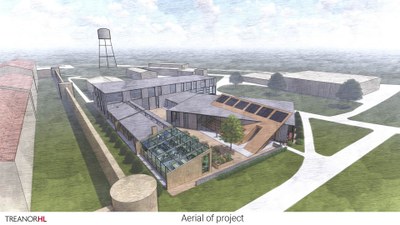
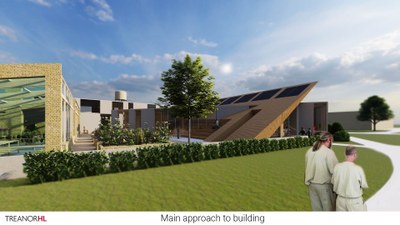
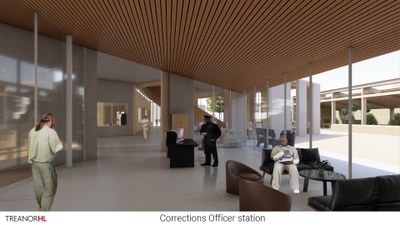
    <description>A coalition of forward-thinking public, non-profit and private innovators from the Kansas City metro area is collaborating to fund, build and equip a 4,500 square foot modern building on the grounds of the Lansing Correctional Facility maximum/medium security unit. </description>
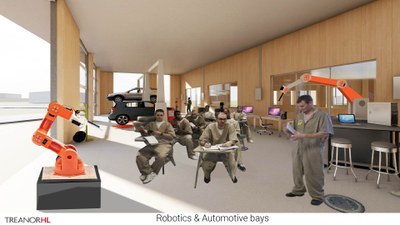
    <content:encoded xmlns:content="http://purl.org/rss/1.0/modules/content/"><![CDATA[<p>The coalition includes multiple businesses, chambers of commerce, colleges, non-profits, members of the faith community and other partners. By providing market certification and college courses for in-demand occupations, the Career Campus will train incarcerated students for new, worthwhile careers, while helping employers better meet their critical workforce needs.</p>
<p><strong><a class="external-link" href="../../work-programs-kdoc">READ MORE about KDOC's Work Programs</a></strong></p>
<p>Research shows increased employment in livable wage jobs can reduce recidivism by half. Thriving, contributing citizens lead to increased public safety and community well-being. However, KDOC lacks the space in our correctional facilities to implement a broad range of career-technical education, college courses and programming that supports success in education and employment readiness.</p>
<p><strong><a class="internal-link" href="CCbrochure02.05.21.pdf">READ MORE about the LCF Career Campus Project</a></strong></p>
<p><strong><img class="image-inline" src="CCmainentry.jpg/@@images/image/preview" /></strong></p>
<p><strong><img class="image-inline" src="../../resolveuid/bd646f2f72ff4fb991242f391d6ea26b/@@images/image/preview" /></strong></p>
<p><strong>To learn more, contact <a class="mail-link" href="mailto:KDOC_Career Campus@ks.gov">KDOC_Career Campus@ks.gov</a> or call KDOC 785.296.3317.</strong></p>
<p><strong>Current Members of the Career Campus Public-Private Partnership:</strong></p>
<ul>
<li>Brothers in Blue Reentry</li>
<li>Catholic Charities of Northeast Kansas</li>
<li>Donnelly College</li>
<li>Greater Kansas City Chamber of Commerce</li>
<li>JE Dunn Construction</li>
<li>Kansas Board of Regents</li>
<li>The Greater Kansas Chamber of Commerce</li>
<li>Kansas City Kansas Community College</li>
<li>Kansas Department of Commerce</li>
<li>Kansas Department of Corrections</li>
<li>KC Common Good</li>
<li>KC Crime Commission’s Second Chance</li>
<li>Lumen Torch</li>
<li>Reaching Out from Within</li>
<li>University of St. Mary</li>
<li>Wichita Regional Chamber of Commerce</li>
<li>Workforce Partnership</li>
<li>Zephyr Manufacturing</li>
</ul>
<p></p>
<p>The first phase of this project is a 776 square foot modular classroom and small group space is located next to the minimum-security unit at Lansing Correctional Facility. The classroom was funded by Terry Dunn and donated by Donnelly College, a private university in the Kansas City, Kansas area. Donnelly has successfully operated college programs close to 20 years at Lansing.</p>
<p>Working with our college and career education partners, KDOC will be able to expand career-relevant training opportunities. The new education spaces will advance the concepts of how to use the best techniques, equipment and training to prepare incarcerated individuals for the workforce and success after release.</p>
<p><em><strong>Fast Facts</strong></em></p>
<ul>
<li>The need is significant. Recent research shows 75% entering prison had weak employment and education histories and 50% were unemployed at the time of going back to prison</li>
<li>Kansas needs a skilled, ready-to-work workforce, and KDOC is part of the solution.</li>
<ul>
<li>We release approximately 6,000 individuals each year who return to their home communities.</li>
<li>98% of the men and women in Kansas prisons today will return to live as our neighbors and members of our society.</li>
<li>Each - if given an opportunity to gain in-demand skills - represents untapped human potential that can help businesses and the Kansas economy.</li>
</ul>
</ul>
<ul>
<li>Completing a GED, at least one CTE and/or a least one college course while incarcerated increases the likelihood of achieving a livable wage.</li>
<li>Jobs - good jobs with benefits - often require training or certification, or in many cases an associate's or bachelor's degree.</li>
</ul>
<div></div>
<p><span><img class="image-inline" src="../../resolveuid/6d1e5f38b9894c849d4dcee06398180c/@@images/image/preview" /></span></p>
<p><span><img class="image-inline" src="../../resolveuid/64939fd24241472a8c00359dd00290ba/@@images/image/preview" /></span></p>
<p><span><img class="image-inline" src="../../resolveuid/89feb787e1164803a681f64a9058b10d/@@images/image/preview" /></span></p>
<p><span><img class="image-inline" src="../../resolveuid/8c351bd1bce64d9dbeba762d2102d95c/@@images/image/preview" /></span></p>
<p><span><img class="image-inline" src="../../resolveuid/7fc41d15b2bd4b8bad64f092f8a6ff8f/@@images/image/preview" /></span></p>
<p><span><br /></span></p>
<p></p>
<ul>
<ul></ul>
</ul>]]></content:encoded>
    <dc:publisher>No publisher</dc:publisher>
    <dc:creator>Nancy Burghart</dc:creator>
    <dc:rights></dc:rights>
    <dc:date>2020-12-31T05:00:00Z</dc:date>
    <dc:type>Page</dc:type>
  </item>


</rdf:RDF>